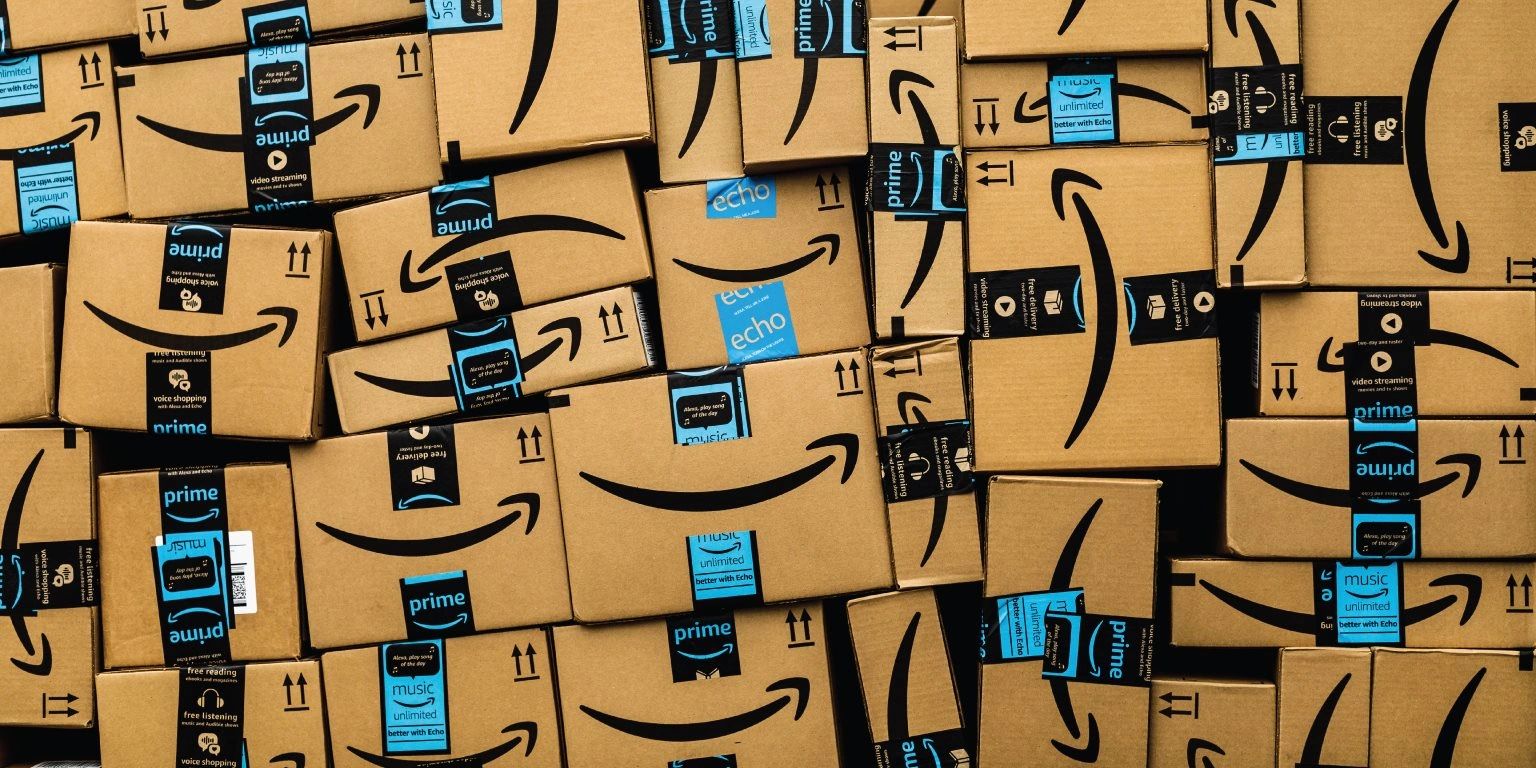
I’ve gotten to the point where I don’t even question Amazon packages showing up at my house anymore.
If a box is on the doorstep, I just assume it belongs there. No one ordered it? Doesn’t matter. It feels like Amazon operates on a “you’ll need this eventually” subscription model at this point.
Jokes aside, it says a lot about how deeply Amazon is woven into everyday life – not just for customers, but for the employees building it behind the scenes.
And lately, there’s been a noticeable shift in what it means to work at Amazon.
A Different Kind of Growth Story
Amazon has long been seen as a dominant force in tech, but recent years have told a more mixed story.
While the company is still growing, its stock performance has been more muted compared to other mega-cap tech companies. That’s largely due to:
- Heavy reinvestment into AI and infrastructure
- Slower growth in certain retail segments
- Ongoing restructuring efforts
At the same time, Amazon Web Services (AWS) remains a major profit driver, continuing to generate a significant portion of the company’s operating income.
What this means for employees:
If a large portion of your compensation is tied to Amazon stock (RSUs), your financial future may be more exposed to company-specific performance than you realize.
Major Layoffs & Restructuring
One of the biggest developments over the past year has been workforce reduction.
- Amazon cut ~14,000 roles in late 2025
- Followed by another ~16,000 layoffs in early 2026
- Total: roughly 30,000 corporate roles eliminated in a few months
These cuts primarily impacted:
- Corporate employees (not warehouse roles)
- Teams across AWS, retail, HR, and product
Amazon has stated these changes are part of:
- Reducing bureaucracy
- Increasing speed and efficiency
- Correcting for over-hiring during the pandemic
Importantly, affected employees were often given about 90 days to find internal roles before separation.
The Shift Toward a “Startup” Culture
Leadership, including CEO Andy Jassy, has been clear about the direction:
Amazon is trying to operate more like “the world’s largest startup”
That means:
- Faster decision-making
- More ownership at the individual level
- Leaner teams
But it also comes with trade-offs:
- Less margin for underperformance
- Increased internal competition
- Greater emphasis on visibility and self-advocacy
One former Amazon VP recently highlighted a key reality:
Employees who don’t advocate for themselves may get overlooked.
Translation: performance alone isn’t always enough – visibility matters more than ever.
AI Is Reshaping the Workforce
Even when not explicitly cited as the main reason for layoffs, AI is clearly influencing Amazon’s direction.
Across tech:
- Companies are reallocating resources toward AI
- Some roles are being eliminated or redefined
Amazon is:
- Investing heavily in generative AI
- Expanding AWS AI capabilities
- Expecting employees to adapt and up-skill
Leadership has indicated that:
AI will reduce the need for some roles, while increasing demand for others.
What this means:
- Employees who embrace AI tools and skills will be better positioned
- Job stability may depend more on adaptability than tenure
Changes in Business Strategy
Amazon is also becoming more selective in where it invests.
Recent shifts include:
- Scaling back certain physical retail experiments
- Focusing on higher-return initiatives
- Streamlining operations across divisions
This reflects a broader move toward efficiency over expansion.
What to Expect Going Forward
While Amazon has stated that ongoing mass layoffs are “not the plan,” the reality is:
- Teams will continue to be evaluated and adjusted
- Hiring will focus on high-impact areas (especially AI and cloud)
- The company will remain leaner than in previous years
At the same time:
- Amazon is still investing heavily in innovation
- AWS and AI remain long-term growth drivers
What This Means for Amazon Employees
1. Job Security Is More Dynamic
Even high performers may feel pressure as teams evolve and priorities shift.
2. Career Growth Requires Visibility
Advocating for yourself and your impact is becoming essential.
3. Compensation Risk Is Real
Heavy exposure to Amazon stock means:
- Your income
- Your investments
- Your long-term wealth
…may all be tied to the same company.
4. Adaptability Is the New Advantage
Employees who:
- Learn AI tools
- Take on high-impact work
- Stay aligned with company priorities
…will be best positioned going forward.
Final Thoughts
Amazon in 2026 is still a powerhouse, but it’s a more disciplined, efficiency-driven, and evolving company than before.
For employees, that means balancing opportunity with awareness:
- Strong career upside still exists
- But so do new risks – especially around job stability and stock concentration
Understanding both sides is key to making smarter career and financial decisions in the years ahead.
Schedule a call to review your financial plan here:
https://platinumpointfin.com/ola/services/initial-consultation
Securities and investment advisory services offered through LPL Enterprise, a Registered Investment Advisor, Member FINRA/SIPC, and an affiliate of LPL Financial.
LPL Enterprise and LPL Financial are not affiliated with Platinum Point Financial.
Content in this material is for general information only and not intended to provide specific advice or recommendations for any individual. There can be no guarantee that strategies promoted will be successful.
Charlie Burguieres, CFP®
Platinum Point Financial